
Toolbox Analogy
The toolbox analogy explains how vision therapy may help children build the visual skills they need for reading, learning, and school success.
For general background on vision therapy, visit the College of Optometrists in Vision Development.
What the Toolbox Analogy Shows About Learning
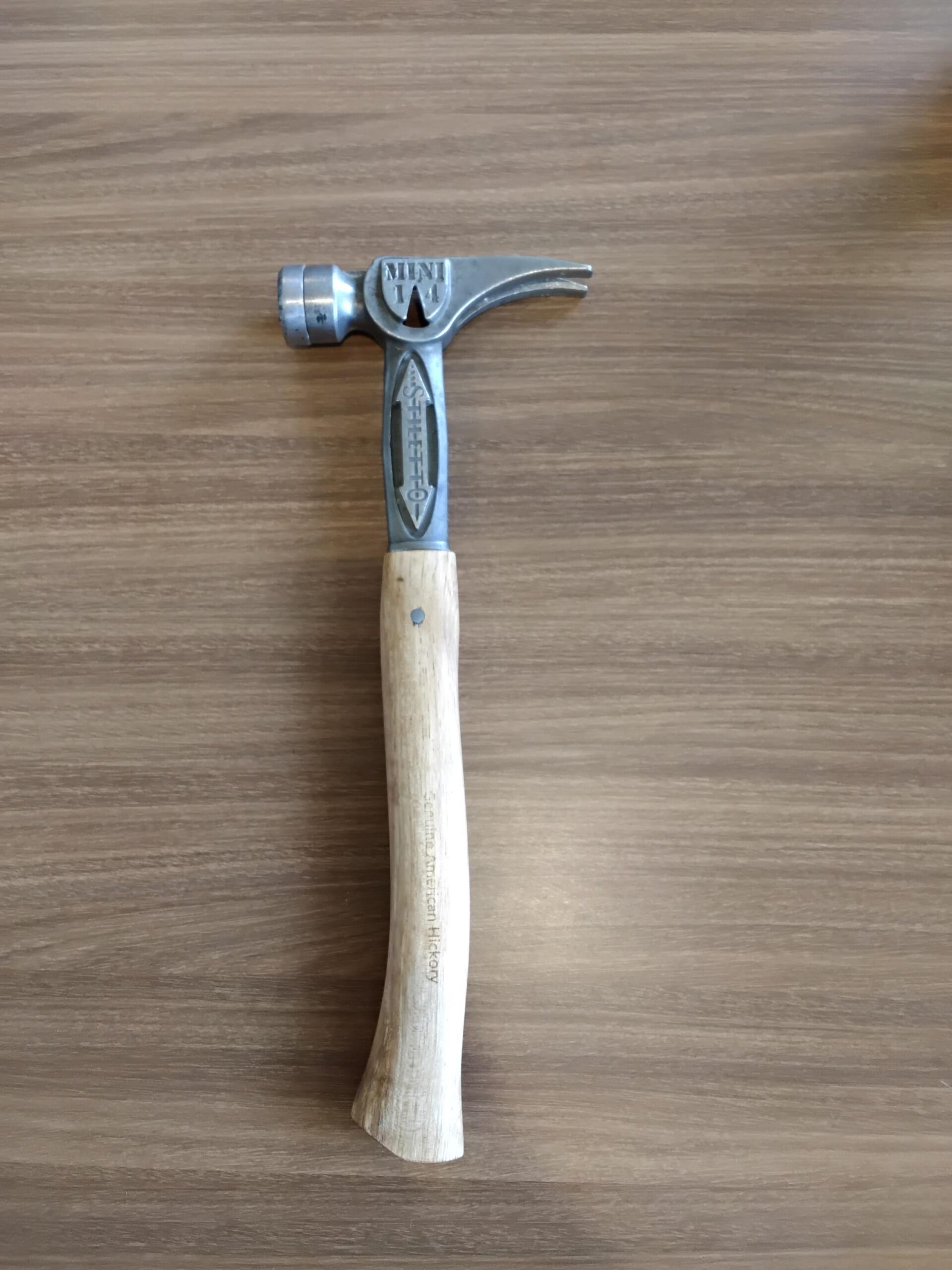
What if you were given a toolbox but never shown how to use any of the tools except the hammer?
When you are asked to assemble an item requiring a screw, how are you going to attempt that task? Well you most likely will pound on the screw with your hammer like you would with a nail. You will use the tool(s) you know how to use and try to complete the task at hand with the tool(s) you have. Well won’t that work? Sure, you could manage to get that screw into the piece of wood but at what cost? The threads on the screw would be damaged.
If you were asked to cut a piece of wood two feet long and all you knew was how to use a hammer, could you do it? Well, you could, in a way. You could use the hammer as a measuring device and estimate that the hammer is 12 inches long so two hammers would be the probable length you need to cut the wood. You could then use the hammer to break the wood at or near that location. You could use the other side of the hammer to try to smooth out the broken areas of the wood. Ta Da! You have accomplished the required task!
Sound silly? Of course it does.
The toolbox analogy helps parents understand why effort alone is not always enough. A child may work hard, but they still need the right visual tools to read, copy, and learn comfortably.
But that is the same kind of theory that is happening to our kids who are struggling with reading or learning. They have not yet learned or developed the necessary skill for accurately pointing and moving their eyes from one place to the next.
To learn more about how visual skills can affect school performance, visit our Vision & Learning page.
You can also read What Is Vision Therapy? to understand how office-based therapy supports visual development.
Accommodations: Are they Good or Bad?
Some of the most common accommodations for a child with a learning difficulty that may have a visual development dysfunction are:

Now we’re often asked, what’s wrong with doing those things?
The answer is nothing is wrong with the schools recommending that the child do these accommodations. These accommodations are designed to try to help the teachers gauge how much information the child is absorbing/learning. But notice something that is common in all those accommodations?
Avoid the visual system. But avoiding the visual system doesn’t correct the problem. It just makes the problem look less obvious.
Another similar analogy would be: A person is not able to run for long periods of time because within the first 50 metres, they feel out of breath and their sides hurt. So in order to help, this person will be allowed to participate in the 100 meter run while using an electric scooter. This way they can feel the accomplishment of completing a 100 meter run and they don’t get pain/discomfort/fatigue like they would have had if they ran the race with their own two feet.