
BEYOND 20/20 SIGHT
My Child Had Their Eyes Tested Already
And They Were Told They Had 20/20 Sight.Why More Testing?
20/20 sight does not always show how well a child’s eyes work together for reading and learning. Most basic eye exams check eye health, eyesight, and the need for glasses. However, a functional vision assessment can look deeper at focusing, tracking, and eye teaming skills.
“If your child's eye exam was under 15 minutes, it is unlikely Visual Efficiency was tested.”
Visual Efficiency
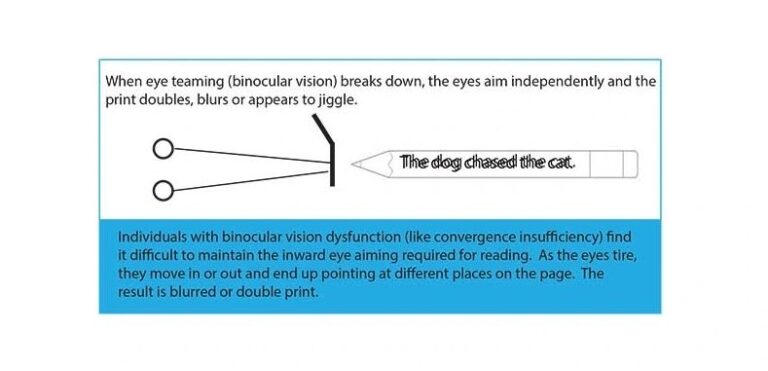
Visual efficiency testing looks at how well both eyes aim, focus, and move together. These skills help a child copy from the board, read across a page, and keep their place. When visual efficiency is weak, a child may feel eye strain, lose focus, or avoid reading. Therefore, extra testing can show problems that a basic exam may miss.
Visual Information Processing
Visual information processing looks at how the brain uses information from the eyes. It includes tracking, visual memory, visualization, and visual discrimination. When these skills are weak, a child may forget what they read, reverse letters, or mix up similar words. As a result, schoolwork can remain difficult even when eyesight is clear.
TESTING INSIGHTS
A general rule of thumb is that if your child’s eye exam was less than 15 minutes, it likely did not include a full Visual Efficiency assessment.
Once we accurately test these skills, we can determine whether vision is playing a role in your child’s learning challenges and design a targeted treatment program.
How Well Could You Read If Print Looked Like This?
“It Makes Sense”
Video
Other Frequently Asked Questions By Parents
What Are Learning Related Vision Problems?
Learn how vision problems can interfere with reading, writing and classroom performance even when traditional eyesight appears normal.
Can Vision Therapy Help Children Diagnosed With ADD?
Discover how improving visual skills can reduce visual distraction and support better focus in the classroom.
Why Is Vision Therapy Provided By Optometrists And Not Ophthalmologists?
Learn the difference in training and focus between these eye-care professionals when it comes to functional vision.
What Are Some Signs Of Visually Related Learning Difficulties?
From skipping lines while reading to headaches after homework, certain behaviours can point to vision challenges.
What About The Child Who Is Already Diagnosed With A Learning Difficulty?
Some children benefit from addressing both educational and visual needs to fully reach their potential.
Frequently Asked Questions
Please reach us at calgaryvisiontherapy@gmail.com if you cannot find an answer to your question.
How do optometry and education complement each other in helping children with reading and learning problems?
The Toolbox Analogy
Imagine that we have delivered all the raw materials needed to build a house. Piles of wood, nails, screws, drywall, cinder blocks, plumbing supplies, electrical supplies, cabinets, doors, windows, and roofing materials are all ready. The child brings their “toolbox” to that work site each day.
How Schools Support Learning
In general, schools assume two things. First, most children arrive with the tools they need for learning. Second, children bring this basic toolbox with them on the first day of kindergarten.
The child is then placed into courses such as Carpentry 101, Plumbing 101, and Electrical Systems 101. In Carpentry 101, they learn measurement, number facts, how to start and set a nail, and how to make safe, accurate cuts.
When Visual Tools Are Missing
Many resourceful and smart children who are missing key tools may still get the job done “some of the time.” However, they may use the wrong tool. They might use a rock as a hammer, or they might copy a neighbour who is hammering.
As a result, the job often takes longer. It may not get done well, and the child may be scolded for a nail that did not go in straight. Vision therapy works on helping children develop the right tools in their toolbox.
What about the student who requires an IPP program and is already diagnosed with a learning difficulty?
A student with a diagnosed learning difficulty who requires an Individual Program Plan (IPP) receives a tailored and regularly reviewed document. This plan outlines specific goals, accommodations, and, when needed, curriculum modifications for their learning needs.
The IPP works as a roadmap for support. It focuses on strategies that reduce the impact of the student’s disability. For example, it may include assistive technology, extra time for assessments, or specialized teaching methods. As a result, the student can access education more fairly.
Key Aspects of the IPP Process
- Identification and Assessment: The diagnosis, such as LD or ADHD, helps identify the student’s strengths and needs. It also supports the development of an IPP.
- Collaborative Development: Parents, teachers, and specialists work together to set goals. These goals may focus on reading, social skills, executive functioning, or other learning needs.
- Accommodations vs. Modifications:
- Accommodations remove barriers without changing the learning outcomes. Examples may include preferential seating, scribes, or extra time.
- Modifications adjust the curriculum for students who cannot meet standard learning outcomes.
- Targeted Support: The plan can help students build self-advocacy skills. It also helps them understand their needs and communicate them as they progress through school.
- Regular Review: The IPP is reviewed and updated as the student’s progress and needs change.
Why the IPP Matters
This proactive approach gives the student a structured support plan. It also helps parents, teachers, and specialists work toward the same learning goals. Therefore, the student has a clearer path toward success and equal opportunity in the learning environment.
How can I tell if my child needs a vision-based assessment rather than just a basic eye exam?
A child may need a comprehensive functional vision assessment when they struggle with tracking, reading, or coordination. Frequent headaches or eye rubbing can also be signs, even if the child passed a school vision screening.
These assessments look beyond 20/20 eyesight. They review how the eyes, brain, and visual system work together during reading, learning, and daily tasks.
Signs Your Child May Need a Functional Vision Assessment
- Reading/Learning Struggles: Losing their place while reading, using a finger to guide their eyes, skipping lines, or avoiding reading and homework.
- Physical Symptoms: Frequent eye rubbing, headaches, dizziness, or eye strain, especially during near work.
- Vision Misalignment: Eyes that sometimes turn inward, outward, or do not point in the same direction may need further evaluation.
- Behavioral Indicators: Short attention span, poor handwriting, hand-eye coordination problems, or letter and number reversals after age 7.
- Distance/Near Trouble: Sitting too close to the TV or holding books very close to the face may suggest visual discomfort.
- Physical Signs: A white reflex in photographs, similar to red-eye but white, requires immediate medical attention.
Why a Basic Eye Exam May Not Be Enough
A basic eye exam focuses on eye health and 20/20 acuity. However, a functional vision assessment looks at how the eyes and brain work together to process visual information.
This extra testing may help when a child struggles in school despite having “good” eyesight. As a result, parents can better understand whether visual skills may be affecting reading, learning, attention, or comfort.
For general information about children’s vision and comprehensive eye exams, review the American Optometric Association children’s vision resource.